


Robotics and AI Solutions

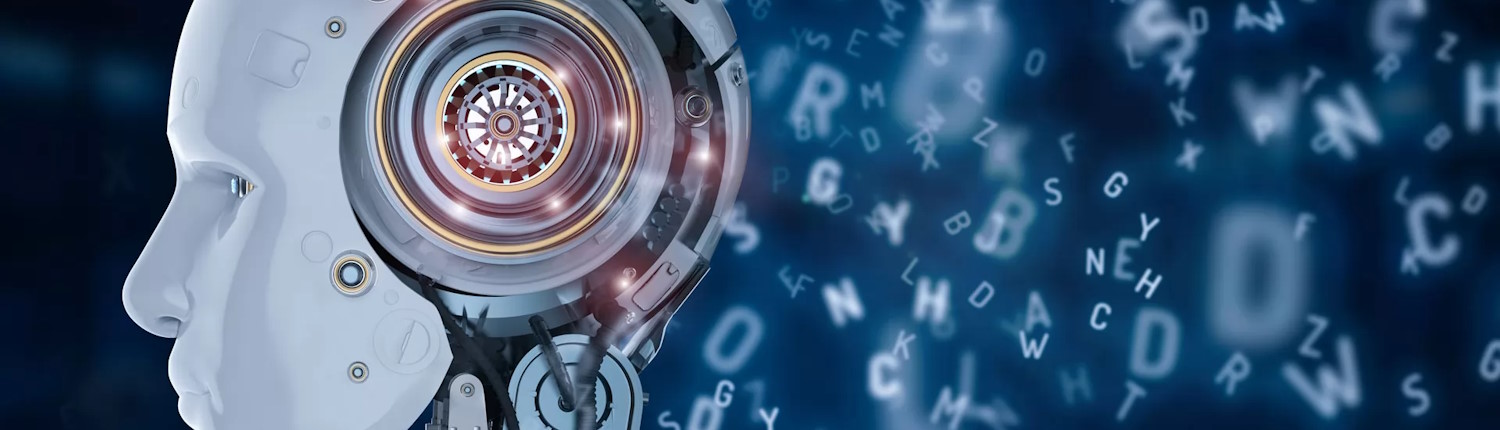
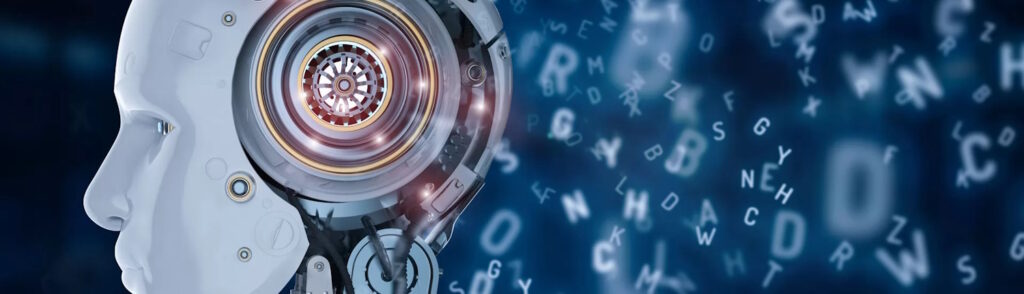
Robotics and AI (Artificial Intelligence) solutions are the integration of robotic systems with advanced artificial intelligence technologies to create intelligent, autonomous, and capable machines. These solutions aim to enhance the capabilities of robots, allowing them to perform tasks more efficiently, accurately, and adaptively, often without human intervention.
Robotics is a field of engineering and technology that deals with the design, construction, operation, and use of robots. A robot is a machine or device that can carry out tasks autonomously or semi-autonomously, typically in environments that are hazardous, difficult, or repetitive for humans. Robotics involves various aspects, such as mechanical design, electronics, sensors, control systems, and software programming.
Robots can be used in various industries and applications, including manufacturing, healthcare, agriculture, logistics, space exploration, and more. They can perform tasks like assembling products on an assembly line, assisting with surgery, exploring remote or dangerous environments, and delivering packages.
Artificial Intelligence (AI) refers to the simulation of human intelligence processes by machines, especially computer systems. It involves the development of algorithms and models that allow machines to perform tasks that would typically require human intelligence, such as understanding natural language, recognizing patterns, making decisions, and learning from data.
AI technologies include machine learning, where algorithms learn from data to improve their performance over time, and deep learning, which involves neural networks capable of processing large amounts of data to recognize complex patterns. AI applications are diverse and include image and speech recognition, natural language processing, recommendation systems, and more.
Robotics and AI Solutions:
The combination of robotics and AI leads to the creation of intelligent robotic systems that can adapt to changing environments, learn from their experiences, and make decisions without constant human intervention. Some examples of robotics and AI solutions include:
- Autonomous Vehicles: Self-driving cars and drones use AI algorithms to analyze sensory data from cameras, lidar, and other sensors to navigate and make real-time decisions on the road or in the air.
- Industrial Automation: Manufacturing robots equipped with AI can adapt to different product variations and process changes, increasing efficiency and reducing human error.
- Healthcare Robotics: Robots can assist in surgeries and deliver medications in hospitals, utilizing AI to enhance their precision and decision-making abilities.
- Agricultural Robotics: AI-powered robots can autonomously perform tasks like planting, harvesting, and monitoring crops, leading to more efficient and sustainable agriculture.
- Customer Service Bots: Chatbots and virtual assistants use AI to understand and respond to human queries, improving customer service and support interactions.
- Logistics and Warehousing: AI-powered robots can optimize warehouse operations by autonomously moving and sorting items for efficient order fulfillment.
- Search and Rescue: Robots with AI capabilities can be deployed in disaster-stricken areas to locate survivors and assess dangerous situations.
- Social Robotics: AI-driven robots can interact with humans, providing companionship, assistance, and entertainment.
Telematics and IoT

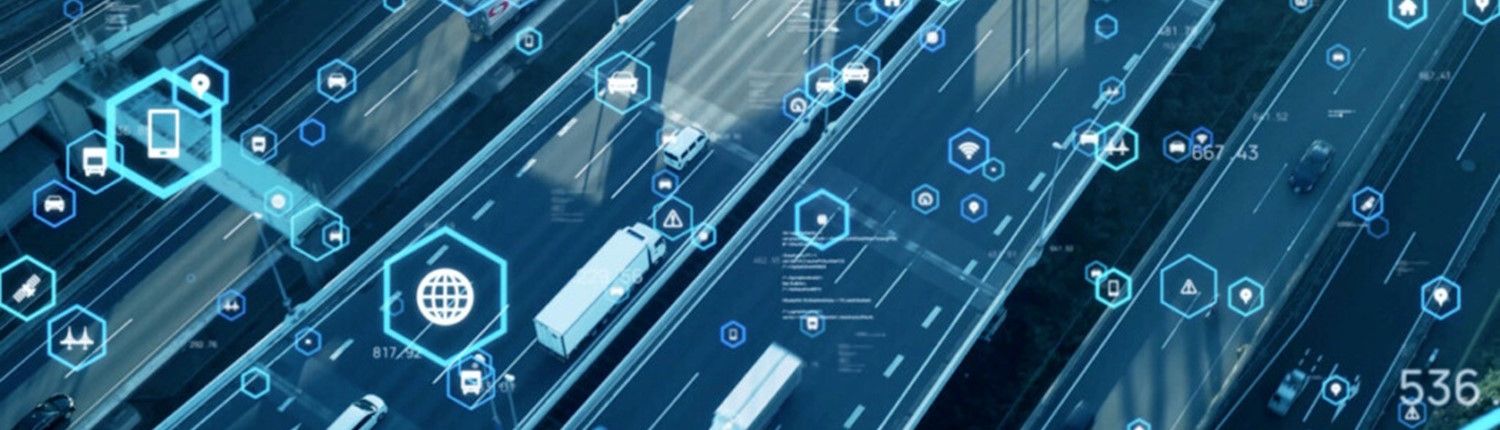
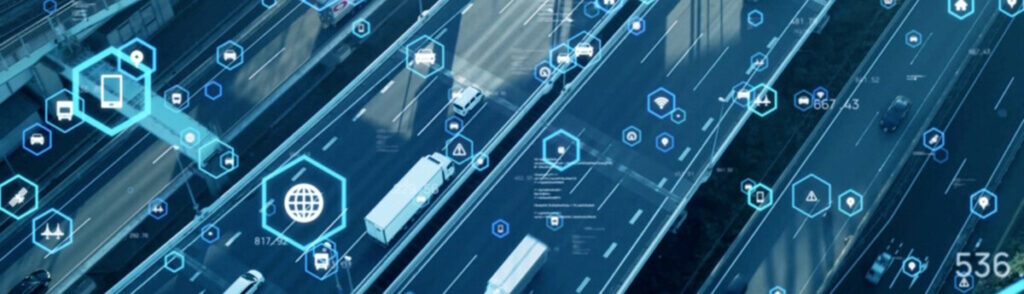
Telematics and IoT (Internet of Things) solutions are two interconnected concepts that involve the integration of technology to collect, transmit, and analyze data from various sources, enabling improved monitoring, management, and decision-making in various industries.
- Telematics refers to the technology that combines telecommunications and informatics, allowing data to be collected from remote or mobile devices and transmitted over networks. It is commonly used in the automotive industry, but its applications extend to various sectors. In the context of vehicles, telematics involves the use of sensors and communication systems to gather data about vehicle performance, location, driver behavior, and more. This data is then transmitted to a central platform where it can be processed, analyzed, and used for various purposes.
- Fleet management: Telematics systems help companies monitor and manage their vehicle fleets in real-time, optimizing routes, improving fuel efficiency, and ensuring driver safety.
- Insurance: Usage-based insurance programs use telematics to assess driver behavior and determine insurance premiums based on actual driving habits.
- Remote diagnostics: Telematics can alert vehicle owners and service centers about potential maintenance issues or vehicle malfunctions, enabling timely repairs.
- Stolen vehicle recovery: Telematics can assist in tracking and recovering stolen vehicles by providing real-time location information.
- IoT (Internet of Things) Solutions refers to the network of interconnected devices and objects that can communicate and exchange data over the internet. These devices, often equipped with sensors, processors, and communication capabilities, can range from simple everyday objects to complex industrial machinery. IoT solutions enable the collection and sharing of data for monitoring, analysis, and control.
- Smart homes: IoT devices such as smart thermostats, lights, and security cameras allow homeowners to remotely control and monitor their home environment.
- Industrial IoT (IIoT): IoT technology is used in industries to monitor machinery, track inventory, and optimize manufacturing processes.
- Agriculture: IoT sensors can be deployed in fields to monitor soil moisture, weather conditions, and crop health, enabling precision agriculture.
- Healthcare: IoT devices like wearable fitness trackers and remote patient monitoring systems help collect health data for analysis and early intervention.
- Environmental monitoring: IoT sensors can be placed in various environments to gather data on pollution levels, temperature, humidity, and more.
License Plate Recognition

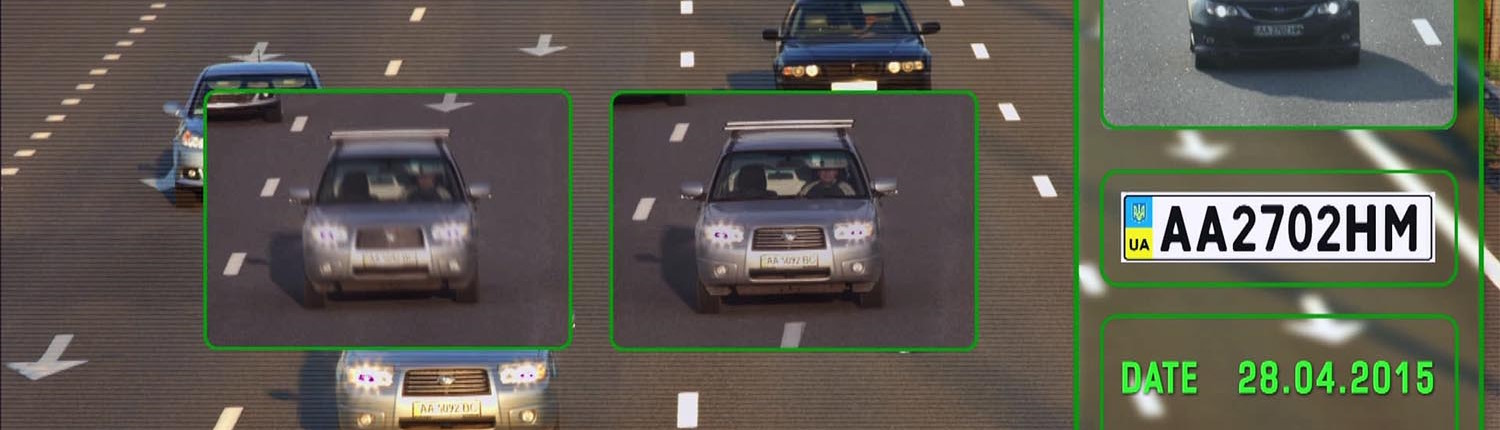
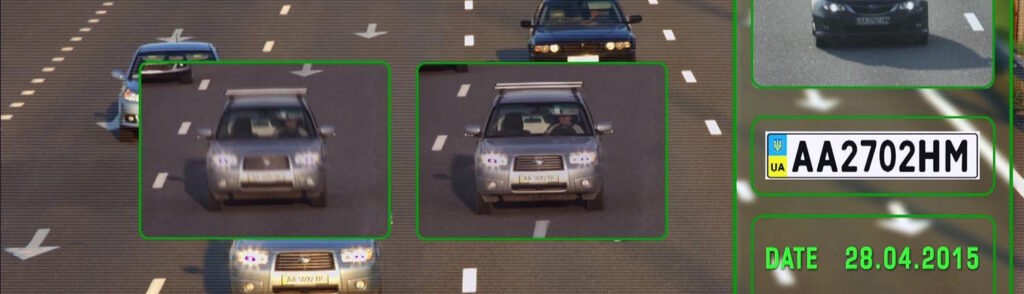
- License Plate Recognition (LPR) systems, also known as Automatic License Plate Recognition (ALPR) systems, are technology solutions designed to automatically capture, read, and interpret license plate information from vehicles. These systems use a combination of hardware (such as cameras and lighting) and software (image processing algorithms and databases) to achieve their functionality.
- Camera Capture: Specialized cameras are installed in strategic locations, such as toll booths, parking lots, intersections, or police vehicles. These cameras are designed to capture images of vehicles and their license plates as they pass by.
- Image Preprocessing: The images captured by the cameras may contain various types of noise, distortions, and variations in lighting. Image preprocessing techniques are applied to enhance the quality of the license plate image and make it suitable for further analysis.
- License Plate Localization: In this step, the system identifies the region of the image where the license plate is located. This can involve techniques like edge detection and pattern recognition to determine the boundaries of the license plate.
- Character Segmentation: Once the license plate region is identified, the system isolates each individual character on the plate. This step is crucial for accurate character recognition.
- Character Recognition: Optical Character Recognition (OCR) technology is employed to recognize the characters on the license plate. The OCR software analyzes the segmented characters and converts them into alphanumeric characters that can be understood by computers.
- Data Processing: The recognized license plate characters are then processed and can be compared to a database of known license plates. This can be useful for applications like toll collection, parking management, law enforcement, and more.
- Database Comparison: The recognized license plate information is often compared against various databases, such as lists of stolen vehicles, vehicles with outstanding fines, or vehicles associated with criminal activity. If a match is found, the system can trigger alerts or actions as needed.
- Alerts and Actions: Depending on the application, the system can trigger different actions. For example, in law enforcement, an LPR system might alert officers if a stolen vehicle is detected. In parking lots, the system could open gates for authorized vehicles or issue parking tickets for unauthorized ones.
Applications
- Law Enforcement: Identifying stolen vehicles, tracking suspect vehicles, and enforcing traffic laws.
- Parking Management: Automating access control to parking lots and garages, and monitoring parking violations.
- Toll Collection: Automating toll collection on highways and toll roads.
- Traffic Monitoring: Collecting data on traffic patterns, vehicle counts, and congestion levels.
- Border Control: Monitoring vehicles crossing borders for security purposes.
Safe Cities

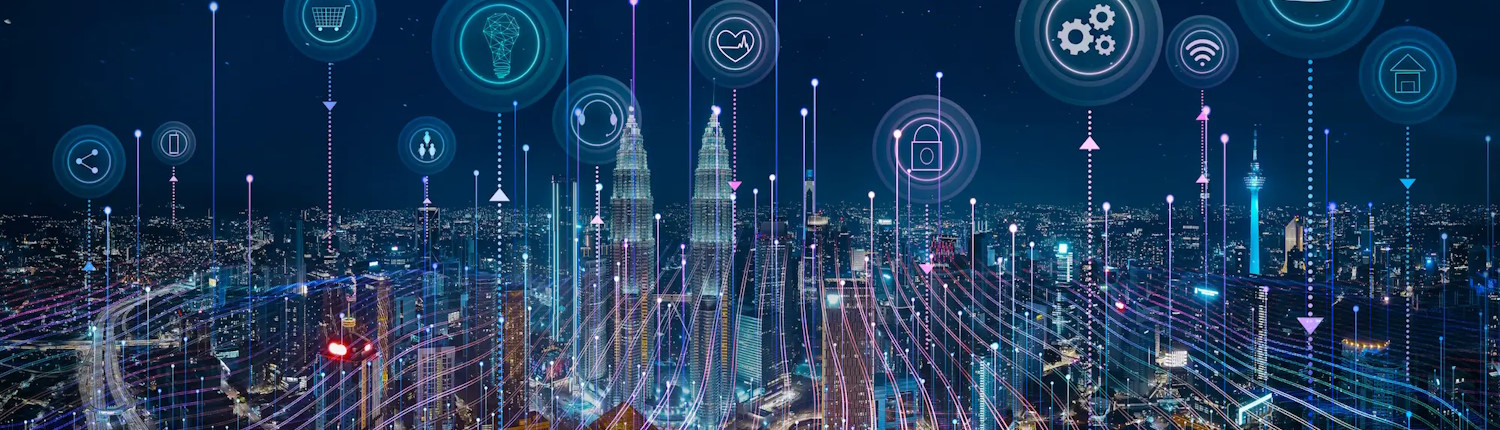
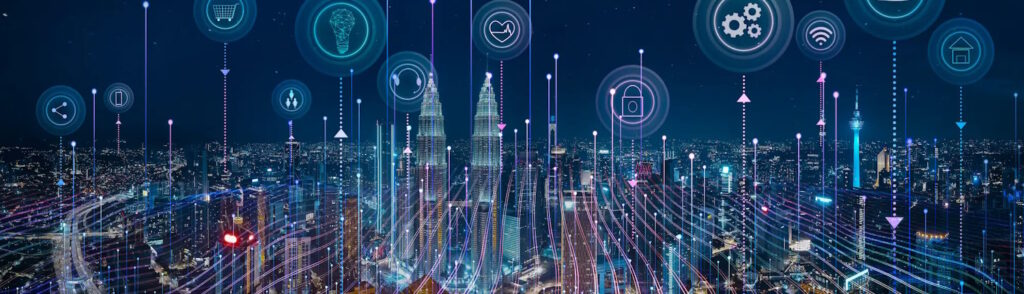
Safe city is a concept that integrates technology, data, and various infrastructure components to enhance the quality of life, safety, and efficiency of urban living. The primary goals of a safe city are to improve the well-being of residents, optimize resource usage, and create a more sustainable and resilient urban environment.
- Safety and Security: Safe city technologies aim to enhance public safety using advanced surveillance systems, real-time monitoring, and predictive analytics. This includes CCTV cameras, sensors, and data analysis to prevent and respond to incidents such as crime, accidents, and natural disasters.
- Infrastructure and Utilities: Smart cities incorporate technologies to improve the efficiency of infrastructure systems, such as transportation, energy, water supply, and waste management. This can include smart grids, efficient public transportation systems, water quality monitoring, and waste management optimization.
- Data and Connectivity: Safe and smart cities rely heavily on data collection and analysis. Sensors embedded in various urban components gather data on traffic patterns, air quality, energy consumption, and more. This data is then processed to provide insights and inform decision-making for urban planning and management.
- Sustainability: Smart cities emphasize sustainability by using data-driven strategies to reduce energy consumption, minimize waste, and promote eco-friendly practices. This can include energy-efficient buildings, renewable energy sources, and intelligent waste management systems.
- Citizen Engagement: These cities prioritize citizen engagement through digital platforms and apps that allow residents to report issues, access services, and participate in decision-making processes. This fosters a sense of community and empowerment among residents.
- Mobility and Transportation: Smart mobility solutions include intelligent traffic management, real-time public transportation updates, and the integration of electric and autonomous vehicles. This can reduce traffic congestion, improve air quality, and enhance transportation efficiency.
- Healthcare and Education: Technology can be leveraged to improve healthcare services by enabling telemedicine, remote patient monitoring, and data-driven disease surveillance. Similarly, smart education initiatives can enhance access to quality education through online platforms and digital learning tools.
- Resilience: Smart cities focus on building resilience against various challenges, including climate change and natural disasters. This involves using technology to monitor and respond to environmental changes, mitigate risks, and develop contingency plans.
- Economic Growth: The integration of technology and data-driven solutions can attract businesses and startups, leading to economic growth and job opportunities within the city.
- Privacy and Data Security: As data collection and sharing become integral to smart and safe cities, ensuring the privacy and security of citizen data becomes crucial. Implementing robust cybersecurity measures and transparent data usage policies is essential to maintain public trust.
Biometric Solutions

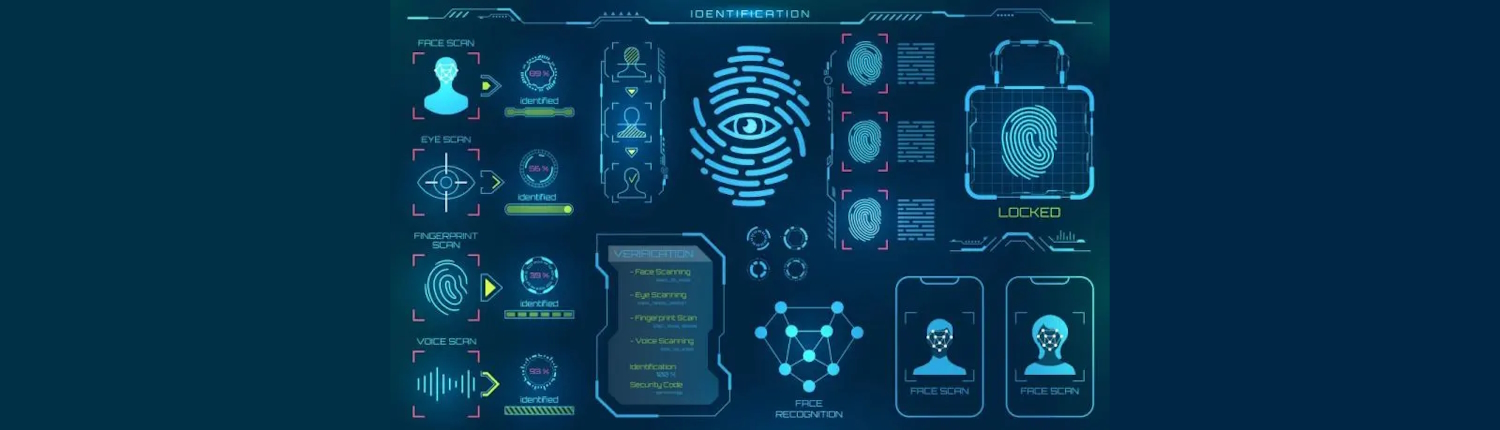
Biometric solution is a technology-based system that utilizes unique physical, behavioral, or physiological characteristics of individuals to identify and authenticate their identity. Biometrics involves the measurement and analysis of these unique traits, which are then used to establish a person’s identity in various applications, such as security access, identification, and verification processes. Biometric solutions are designed to enhance security, convenience, and accuracy in a wide range of scenarios.
Fingerprint Recognition: This involves capturing and analyzing the distinct patterns present in an individual’s fingerprint. Fingerprint recognition is widely used for access control, unlocking devices, and identification.
Facial Recognition: This technology identifies individuals based on their facial features. It has applications in security systems, digital payments, and surveillance.
Iris Recognition: Iris patterns in the eye are unique to each individual and can be used for accurate identification. Iris recognition is used in high-security environments and can be seen in border control systems and secure facilities.
Voice Recognition: Voice biometrics analyzes an individual’s vocal characteristics such as pitch, tone, and speech patterns to verify their identity. This technology finds application in phone banking, call centers, and voice assistants.
Palm Print Recognition: Like fingerprints, the unique patterns in a person’s palm can be used for identification purposes.
Ongo Homes of your back office systems provides 10,000 homes for people

Overview
Sure, the technology has come a long way since then, and the variety of the information objects we’re managing has changed a lot, but one tenet has remained constant we’ve always focused on the intersection of people, processes, and information. As the Association for Intelligent Information Management, we help organizations put their information to work.
Tenet has remained constant: we’ve always focused on the intersection of people, processes, and information. As the Association for Intelligent Information Management, we help organizations put their information to work.
Problems
Sure, the technology has come a long way since then, and the variety of the information objects we’re managing has changed a lot, but one tenet has remained constant we’ve always focused on the intersection of people, processes, and information. As the Association for Intelligent Information Management, we help organizations put their information to work.
Challenge
Technology has come a long way since then, and the variety of the information objects we’re managing has changed a lot, but one tenet has remained constant we’ve always focused on the intersection of people, processes, and information. As the Association for Intelligent Information Management, we help organizations put their information to work.

Solution
Technology has come a long way since then, and the variety of the information objects we’re managing has changed a lot, but one tenet has remained constant we’ve always focused on the intersection of people, processes, and information. As the Association for Intelligent Information Management, we help organizations put their information to work.
Ongo Homes of your back office systems provides 10,000 homes for people

Overview
Sure, the technology has come a long way since then, and the variety of the information objects we’re managing has changed a lot, but one tenet has remained constant we’ve always focused on the intersection of people, processes, and information. As the Association for Intelligent Information Management, we help organizations put their information to work.
Tenet has remained constant: we’ve always focused on the intersection of people, processes, and information. As the Association for Intelligent Information Management, we help organizations put their information to work.
Problems
Sure, the technology has come a long way since then, and the variety of the information objects we’re managing has changed a lot, but one tenet has remained constant we’ve always focused on the intersection of people, processes, and information. As the Association for Intelligent Information Management, we help organizations put their information to work.
Challenge
Technology has come a long way since then, and the variety of the information objects we’re managing has changed a lot, but one tenet has remained constant we’ve always focused on the intersection of people, processes, and information. As the Association for Intelligent Information Management, we help organizations put their information to work.
Solution
Technology has come a long way since then, and the variety of the information objects we’re managing has changed a lot, but one tenet has remained constant we’ve always focused on the intersection of people, processes, and information. As the Association for Intelligent Information Management, we help organizations put their information to work.
Virtual environment in order to scale up their back office of your back office systems

Overview
Sure, the technology has come a long way since then, and the variety of the information objects we’re managing has changed a lot, but one tenet has remained constant we’ve always focused on the intersection of people, processes, and information. As the Association for Intelligent Information Management, we help organizations put their information to work.
Tenet has remained constant: we’ve always focused on the intersection of people, processes, and information. As the Association for Intelligent Information Management, we help organizations put their information to work.
Problems
Sure, the technology has come a long way since then, and the variety of the information objects we’re managing has changed a lot, but one tenet has remained constant we’ve always focused on the intersection of people, processes, and information. As the Association for Intelligent Information Management, we help organizations put their information to work.
Challenge
Technology has come a long way since then, and the variety of the information objects we’re managing has changed a lot, but one tenet has remained constant we’ve always focused on the intersection of people, processes, and information. As the Association for Intelligent Information Management, we help organizations put their information to work.
Solution
Technology has come a long way since then, and the variety of the information objects we’re managing has changed a lot, but one tenet has remained constant we’ve always focused on the intersection of people, processes, and information. As the Association for Intelligent Information Management, we help organizations put their information to work.
Ongo Homes of your back office systems provides 10,000 homes for people

Overview
Sure, the technology has come a long way since then, and the variety of the information objects we’re managing has changed a lot, but one tenet has remained constant we’ve always focused on the intersection of people, processes, and information. As the Association for Intelligent Information Management, we help organizations put their information to work.
Tenet has remained constant: we’ve always focused on the intersection of people, processes, and information. As the Association for Intelligent Information Management, we help organizations put their information to work.
Problems
Sure, the technology has come a long way since then, and the variety of the information objects we’re managing has changed a lot, but one tenet has remained constant we’ve always focused on the intersection of people, processes, and information. As the Association for Intelligent Information Management, we help organizations put their information to work.
Challenge
Technology has come a long way since then, and the variety of the information objects we’re managing has changed a lot, but one tenet has remained constant we’ve always focused on the intersection of people, processes, and information. As the Association for Intelligent Information Management, we help organizations put their information to work.
Solution
Technology has come a long way since then, and the variety of the information objects we’re managing has changed a lot, but one tenet has remained constant we’ve always focused on the intersection of people, processes, and information. As the Association for Intelligent Information Management, we help organizations put their information to work.